
The Shield Pest Journal
Check out Shield Pest Appalachia’s most recent blog posts for helpful pest prevention and control suggestions. Our blog covers from detecting common pests to creating tailored solutions in the Tennessee and Virginia areas. Do you have a pest-related question? Contact us today for experienced guidance and solutions targeted to your specific needs.
Winter Pests? Mid-Season Check-Up for Appalachian Homes
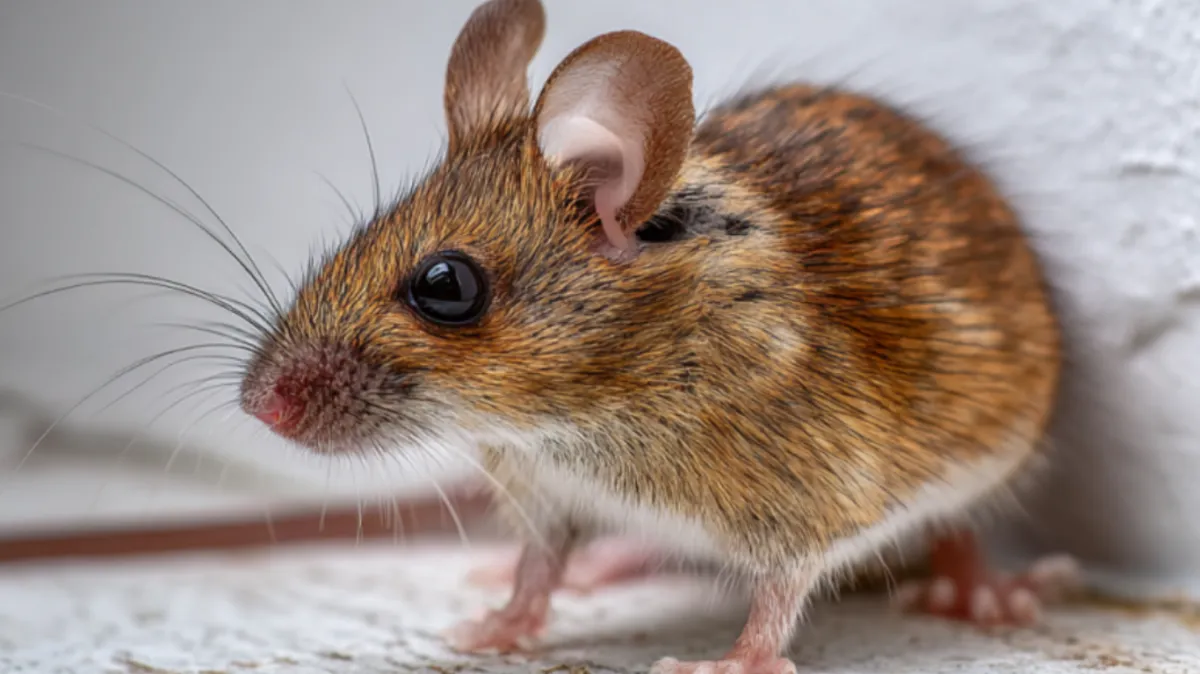
Watch for Signs of Rodents
Rodents like mice and rats are among the most persistent winter invaders in Johnson City, TN homes. They’re small, fast, and resourceful—able to squeeze through holes as tiny as a dime and survive on very little food. Once inside, they not only contaminate food supplies but can also damage electrical wiring, insulation, and even structural elements. Catching the signs early is critical before a small problem turns into a full infestation.
Action Steps to Detect and Prevent Rodents:
1. Inspect for Droppings and Gnaw Marks
Look along baseboards, pantries, and attic spaces for rod-shaped droppings, often about 1/4 inch in size.
Fresh droppings are dark and moist, while older ones appear gray and crumbly.
Check cardboard boxes, food packaging, and furniture for gnaw marks—rodents chew constantly to wear down their teeth.
2. Listen for Nocturnal Activity
Pay attention to scratching, scurrying, or squeaking sounds in walls, ceilings, or under floors—rodents are most active at night.
Noises in attics or crawlspaces may indicate nesting, while faint scratching in walls suggests active movement between rooms.
If pets are barking, pawing, or staring at walls or cabinets, it could signal rodent activity.
3. Seal Cracks and Entry Points
Walk around your home’s foundation and exterior walls to check for small gaps, cracks, or holes.
Focus on common entry points like utility lines, pipe openings, dryer vents, and gaps under exterior doors.
Use steel wool, copper mesh, or hardware cloth to block holes before sealing with caulk or foam—rodents can chew through soft materials alone.
Install door sweeps to eliminate the gap beneath exterior doors.
4. Protect Food and Storage Areas
Store all pantry goods, grains, and pet food in airtight containers made of metal or heavy plastic.
Avoid leaving food out overnight, including fruit bowls or pet dishes.
Regularly clean crumbs and spills in pantries, under appliances, and around trash bins.
Empty indoor trash daily and ensure outdoor bins have tight-fitting lids.
5. Monitor for Additional Warning Signs
Look for grease marks or smudges along walls and baseboards—rodents leave oily trails as they travel the same paths repeatedly.
Watch for shredded paper, fabric, or insulation, which are often used as nesting materials.
Check for a musky odor in enclosed spaces, which may indicate an active rodent colony.
Prevent Spiders from Settling In
While most spider species are harmless and even help control other insects, nobody wants their home filled with cobwebs during the winter months. In Johnson City, TN, spiders often move indoors to escape the cold, thriving in basements, attics, closets, and quiet corners that see little activity. Some species, like the brown recluse or black widow, can pose health risks, making it essential to keep these eight-legged visitors under control.
Action Steps to Keep Spiders Out:
1. Clean Away Webs and Egg Sacs
Vacuum ceilings, window sills, and corners regularly to remove cobwebs and egg sacs before they hatch.
Pay special attention to storage spaces, garages, and basements where webs often go unnoticed.
Use a long-handled duster to reach high areas like ceiling beams and rafters.
2. Reduce Clutter and Hiding Places
Clear out unused boxes, piles of clothing, and stacked papers that serve as hiding spots.
Replace cardboard storage boxes with sealed plastic bins that are less attractive to spiders and the insects they prey on.
Keep items off the floor in basements and attics to reduce dark, undisturbed nesting areas.
3. Install and Maintain Barriers
Ensure tight-fitting screens are installed on windows, attic vents, and crawlspace openings to prevent entry.
Repair or replace torn screens promptly, no matter how small the hole.
Add door sweeps to exterior doors to reduce both insect and spider entry.
4. Seal Entry Points
Use caulk or weather stripping around doors, windows, and baseboards to eliminate small cracks and gaps.
Seal gaps around utility penetrations (cables, vents, and pipes) since spiders often follow insects into the home.
Inspect foundation walls and siding seams for hidden entry routes and seal them thoroughly.
5. Limit Their Food Source
Spiders are often a symptom of another pest problem—they follow the insects they feed on.
Keep indoor lighting low around entryways at night, since bright lights attract moths and flying insects.
Maintain general pest control by addressing ants, flies, and roaches to reduce the spider population naturally.
Inspect and Seal Entry Points
Even the smallest crack can serve as an open invitation for pests looking to escape the cold. Mice can slip through holes as tiny as a dime, while insects can use hairline gaps to enter your living spaces. Performing a thorough inspection during the winter months ensures your home stays protected when pests are most desperate to move indoors.
Action Steps to Secure Your Home:
1. Check Doors and Windows
Inspect door frames and window casings for cracks, gaps, or visible wear.
Replace cracked or brittle weather stripping that no longer seals tightly.
Install durable door sweeps under exterior doors, including garage entries, to close off gaps at the threshold.
At night, check for light shining through edges—if light can pass, pests can too.
2. Seal Utility Penetrations
Examine areas where utilities enter your home: plumbing lines, HVAC pipes, cable wires, and dryer vents.
Use weatherproof caulk or expandable foam to seal even the smallest spaces around these penetrations.
For larger gaps, insert wire mesh or copper wool before sealing to prevent rodents from chewing through.
3. Reinforce Basements and Attics
Inspect foundation vents, attic gable vents, and crawlspace openings.
Replace torn or missing screens immediately to keep rodents and insects out.
Cover larger openings with hardware cloth before sealing to create an extra layer of protection.
Don’t forget chimneys—install a chimney cap with mesh to keep out squirrels, birds, and other pests.
4. Monitor Seasonally
Weather shifts can create new cracks in foundations, walls, and siding.
Re-inspect doors, windows, and utility entry points every few months.
Combine inspections with seasonal cleaning for a more consistent pest-prevention routine.
If you’re a homeowner in Johnson City, TN, don’t wait until spring to deal with pests. A winter mid-season check-up with Shield Pest Appalachia ensures your home stays protected now and in the months ahead.

Office:
1300 University Pkwy, Johnson City, TN 37604, United States
Call
423-480-1101
Copyright 2024. All Right Reserved.