
The Shield Pest Journal
Check out Shield Pest Appalachia’s most recent blog posts for helpful pest prevention and control suggestions. Our blog covers from detecting common pests to creating tailored solutions in the Tennessee and Virginia areas. Do you have a pest-related question? Contact us today for experienced guidance and solutions targeted to your specific needs.
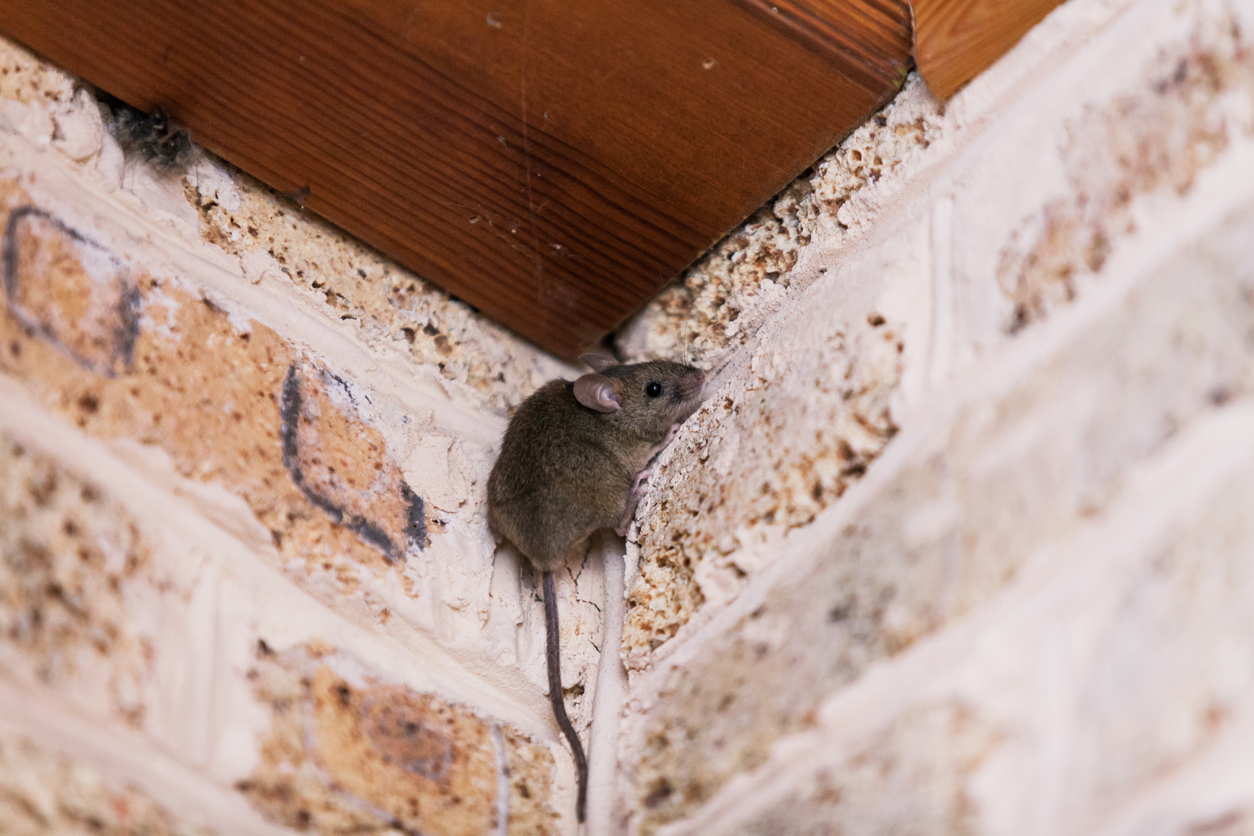
Appalachian Homeowners’ Pre-Spring Rodent Checklist
Opening Scene
I got a call earlier this month from a homeowner here in Johnson City, TN who said, “I know spring isn’t here yet, but something doesn’t feel right.” That usually tells me a lot. The house was an older single-family home on a quiet street, with a basement that hadn’t been used much over the winter. They’d noticed light scratching sounds late at night and some disturbed dirt near the foundation, but nothing that felt like a full-blown issue yet.
That’s exactly the kind of call I like to get before spring shows up.
The Problem
Once I started the inspection, the pattern became clear pretty quickly. Over the winter, rodents had been using the crawlspace and the spaces inside the basement walls to stay warm. There wasn’t a heavy infestation, but the activity was steady. I found droppings along the sill plate, a few spots where insulation had been chewed back, and visible rub marks where mice had been running the same paths night after night.
I also noticed signs that this wasn't a brand new activity. Some of the entry points had likely been there for a while—small gaps along the foundation, openings around utility lines, and seams that had shifted over time. These are the kinds of spots that don’t stand out unless you’re specifically looking for them. None of them looked urgent on their own, which is why they often get ignored.
Taken together, though, they told a different story. Rodents had already found shelter, figured out how to move through the house, and were getting comfortable. The homeowner was uneasy because they’d dealt with mice before and remembered how quickly things escalated once the weather warmed up. They didn’t want to wait until activity became obvious, damage showed up, or repairs became unavoidable.
The Process
We started outside and walked the entire perimeter of the home. I always look low first—foundation gaps, where siding meets soil, and anywhere pipes or lines enter the house. Most rodent entry points are small and easy to miss unless you’re looking closely.
From there, we moved inside and worked through the basement, crawlspace access, and storage areas. I checked behind stored items, along baseboards, and around utility walls. In the kitchen, I focused on areas near plumbing and appliances, since those spots stay warm year-round and often attract rodent traffic.
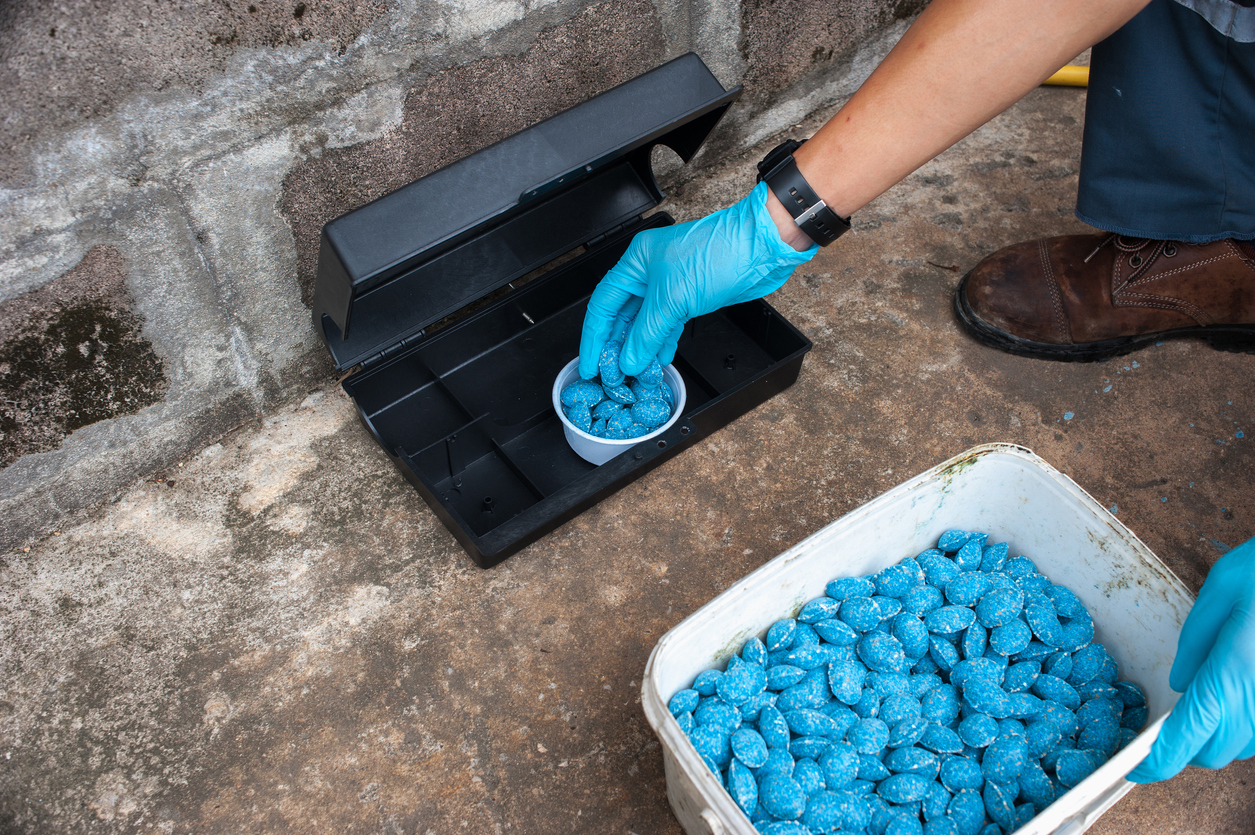
We sealed several small openings that didn’t stand out but were clearly being used. I placed monitoring stations in areas where activity had already started so we could track movement without overdoing treatment. Early in the season, the goal is to interrupt behavior and stop nesting—not to blanket the house with products it doesn’t need.
We also addressed moisture near a basement drain and helped reorganize a few cluttered storage areas that were giving rodents cover. Every step had a reason behind it. Nothing was rushed, and nothing was done “just in case.” That’s how early rodent prevention works best.

The Outcome
The biggest change was the homeowner’s peace of mind. Once we walked through what we found and why it was happening, a lot of the stress disappeared. They weren’t guessing anymore or waiting for the problem to grow. They understood what had been done and what signs to watch for going forward.
A couple of weeks later, they reached out to check in. The scratching sounds at night were gone. They hadn’t seen any new droppings, and activity hadn’t returned in the areas we addressed. Taking action early made a real difference.
What stood out most was how they felt about the house afterward. Instead of reacting to problems as they popped up, they felt ahead of it. They had a plan and weren’t waiting for spring to force their hand. That’s what a good early inspection is supposed to do—quiet the problem before it turns into something bigger.
DIY Advice I Gave Them
Before I left, I gave them a short checklist that actually worked:
Walk the foundation once a month and look for new gaps, cracks, or disturbed soil
Store cardboard items off the floor or replace them with plastic bins
Keep pet food sealed, even during winter
Check basement corners and utility walls for moisture buildup
Don’t ignore small signs just because “it’s not spring yet”
Pay attention to changes in nighttime sounds—scratching usually means activity
Keep storage areas from getting overfilled so wall edges stay visible
Make sure door sweeps and weather stripping are tight, especially on basement and garage doors
Clean up spilled bird seed or pet food outside so it doesn’t draw rodents toward the house
Move stored items a few inches away from walls to make inspection easier
Those small habits make it much easier to catch rodent issues early, before they turn into something harder to manage.
Professional Insight
Rodent problems usually start small, and some can be managed early with basic steps like sealing gaps or adjusting storage. The hard part is knowing when a problem is still small and when it’s already moving in the wrong direction.
By the time rodents are easy to spot, they’ve usually been active for a while. They don’t show up overnight. There’s almost always a pattern—access points, warmth, food, or shelter—that’s been in place longer than people realize.
A professional inspection isn’t about throwing products at a house. It’s about slowing things down, looking at the full picture, and understanding why rodents are there in the first place. Once you know that, the solution becomes much clearer.
Closing
February is one of the best times to get ahead of rodent issues here in Johnson City, TN. Homes usually give warning signs—you just have to know where to look. This job was a good reminder that the quiet calls, the “something feels off” ones, are often the most important.
If you’re noticing small signs and don’t want to wait until spring, reach out. I’m always happy to take a look and give you an honest answer.
– Ace
[https://shieldpesttn.com/]

Office:
1300 University Pkwy, Johnson City, TN 37604, United States
Call
423-480-1101

Copyright 2024. All Right Reserved.